Instead, they adapt gradually as architects, landscape designers, and distributors respond to changing lifestyles, materials, and design preferences.
In 2026, one thing is clear: outdoor spaces are becoming warmer, more natural, and more connected to their surroundings. The cool grey palettes that dominated many projects over the past decade are giving way to earthy colors, softer neutrals, and stones that feel authentic rather than manufactured.
For distributors, contractors, and specifiers, understanding these shifts can help guide purchasing decisions and ensure that stocked materials align with market demand.
Why Are Natural Stone Colors Changing?
Today’s outdoor spaces are no longer viewed as separate from the home.
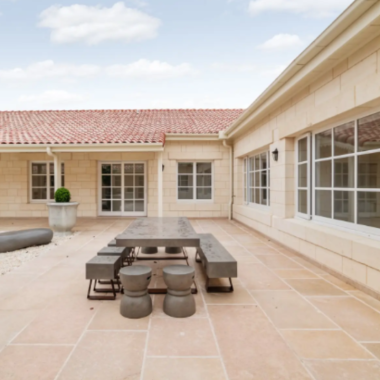
Designers are increasingly creating seamless transitions between interior and exterior environments, resulting in stronger demand for natural materials and warmer color palettes that work across both spaces.
At the same time, highly artificial colors and overly cold grey surfaces are becoming less dominant in new specifications.
Trend #1: Warm Cream & Beige Limestone Continues to Grow
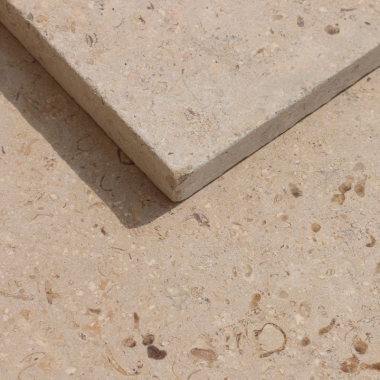
One of the strongest trends in 2026 is the rise of warm neutral limestone.
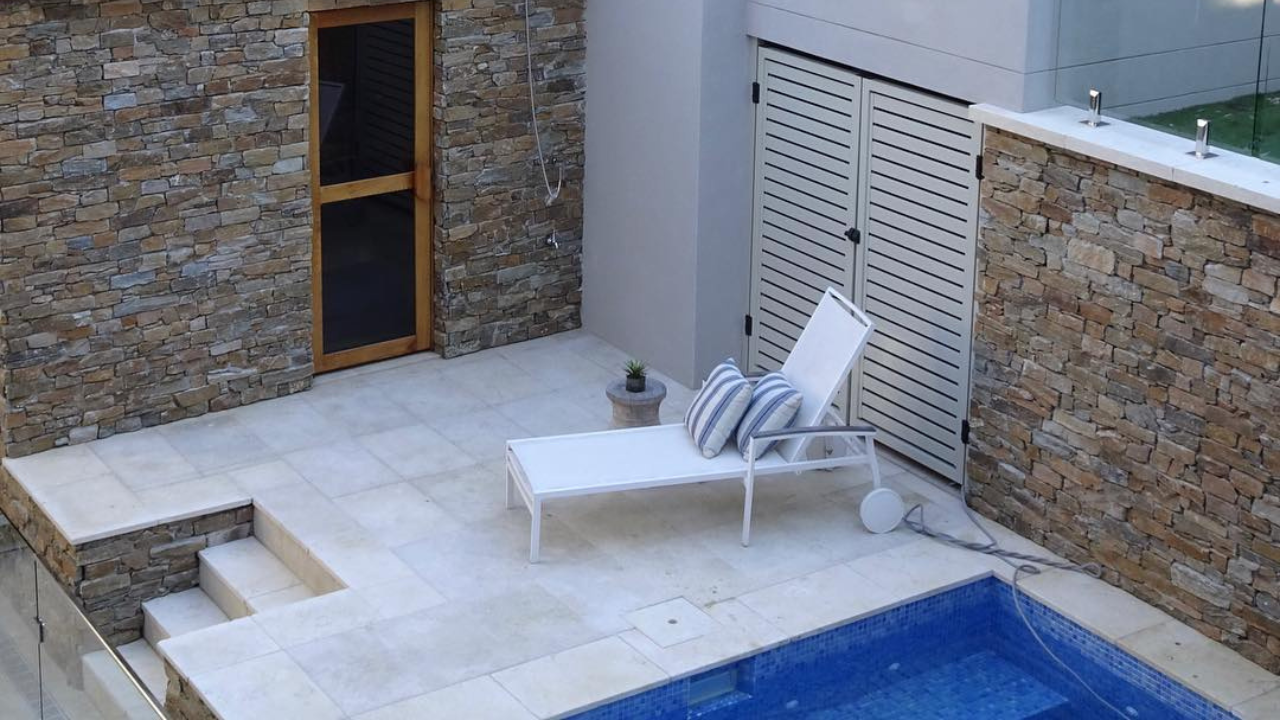
Designers are increasingly selecting cream, ivory, and sand-colored stones because they create inviting outdoor environments while complementing wood, greenery, and contemporary architecture.
Trend #2: Earthy Browns Are Replacing Cool Minimalism
Brown is making a significant comeback in outdoor architecture.
Rather than the dark chocolate tones seen in previous decades, designers are embracing softer earth-inspired shades such as:
Walnut
Mocha
Clay
Amber
Bronze
These colors create warmth and pair naturally with timber, planting schemes, and Mediterranean-inspired architecture.
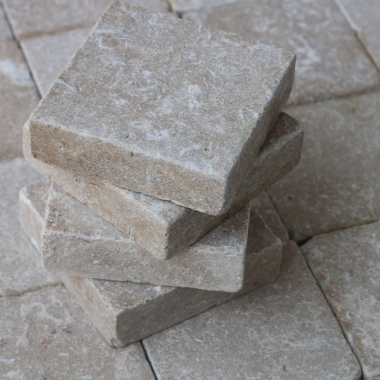
For travertine suppliers, this trend is particularly important because brown and walnut travertine are increasingly being specified for premium residential and hospitality projects.
Trend #3: Desert & Sand Tones Fit Modern Landscaping
Landscape architects are increasingly seeking materials that blend into the surrounding environment rather than compete with it.
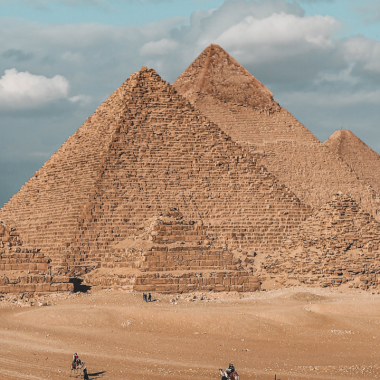
As a result, natural stone colors inspired by desert landscapes are gaining attention, including:
Sandy beige
Light gold
Soft cream
Warm taupe
Subtle honey tones
These colors create a calm, organic atmosphere while maintaining a luxurious appearance.
For projects in Australia, the Middle East, Southern Europe, and coastal regions, these tones are particularly effective because they complement both native planting and natural sunlight.
Trend #4: Warm Graphite is Replacing Traditional Grey
Grey is not disappearing.
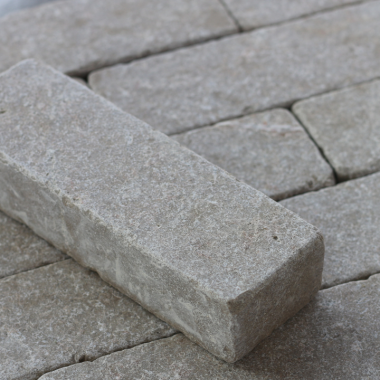
However, the dominant cool grey aesthetic of recent years is evolving into warmer graphite and charcoal-inspired palettes.
This approach preserves the contemporary look many architects appreciate while introducing greater warmth and visual comfort.
For distributors carrying grey limestone products, this shift presents an opportunity to focus on warmer, more natural variations rather than cold industrial tones.
Trend #5: Multi-Tone Stone Projects Are Becoming More Popular
Instead of relying on a single color throughout a project, many designers are combining complementary natural stone colors.
Examples include:
Cream paving with grey coping
Beige limestone with charcoal accents
Travertine paving paired with split-face walling
Mixed-texture landscape features
The result is a more layered and sophisticated design language that feels natural and architecturally intentional.
What Colors Are Losing Popularity?
While every market differs, several trends are becoming less dominant:
Stark cool grey palettes
Highly polished outdoor surfaces
Artificial-looking colors
Monotone landscapes with little texture variation
Instead, buyers are increasingly seeking warmth, texture, and materials that age naturally over time.
Final Thoughts
The defining characteristic of 2026 outdoor design is not a single color—it is a shift toward warmth, authenticity, and natural connection.
Creamy limestone, sandy neutrals, warm greys, and earthy travertine are helping designers create outdoor spaces that feel timeless rather than trend-driven.
For stone suppliers, importers, and landscape professionals, understanding these color preferences provides valuable insight into where demand is moving and which materials are most likely to resonate with architects and end clients in the years ahead.