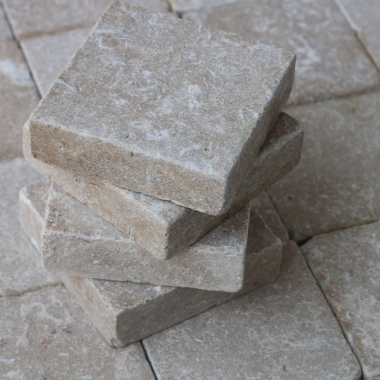
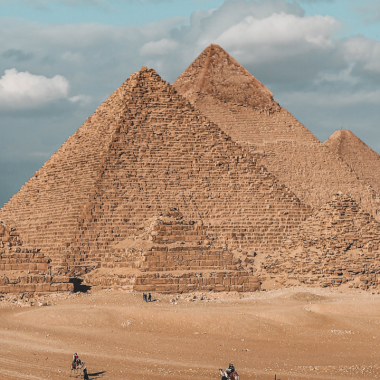
Natural stone importers, architects, landscape designers and distributors often have the same question: “What is the difference between Travertine and Limestone?” Actually, both materials belong to the same family
and share many characteristics. However, they form very different visual effects and most probably used in different types of projects.
Understanding these differences can help importers, specifiers, and contractors make better purchasing decisions and recommend the right natural stone material to their clients.
Are Travertine and Limestone the Same?
Simple answer: No.
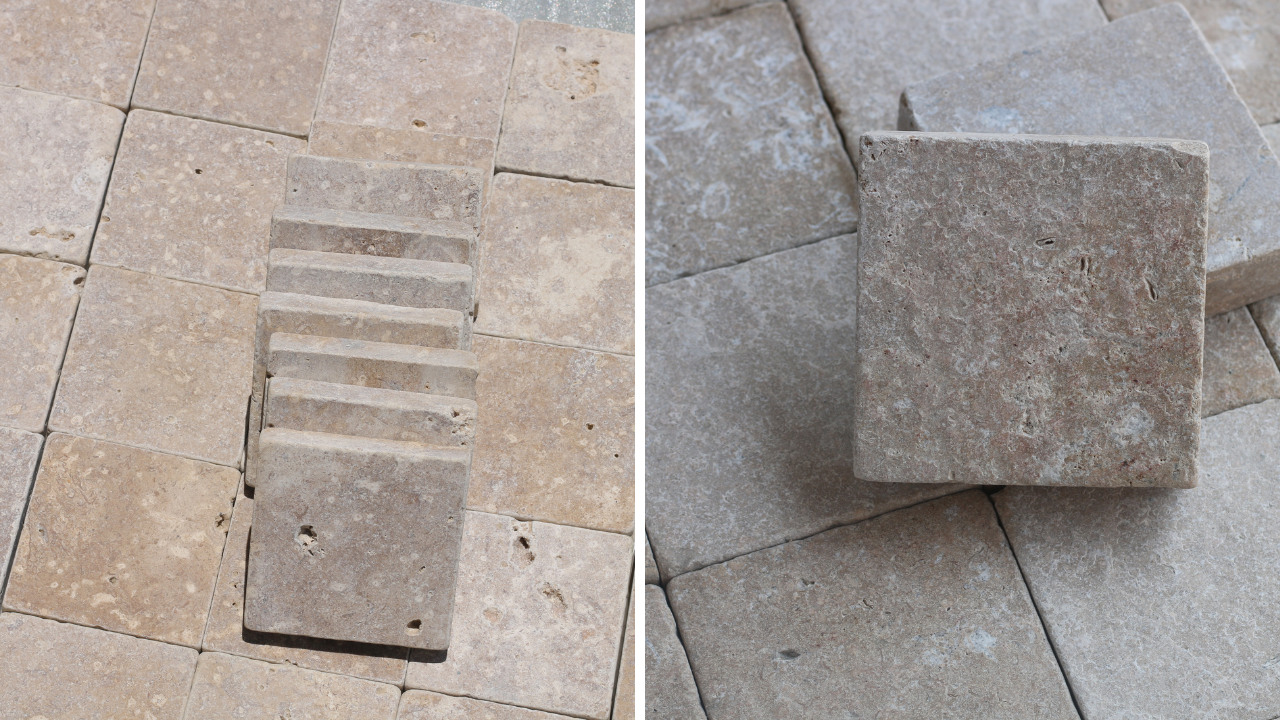
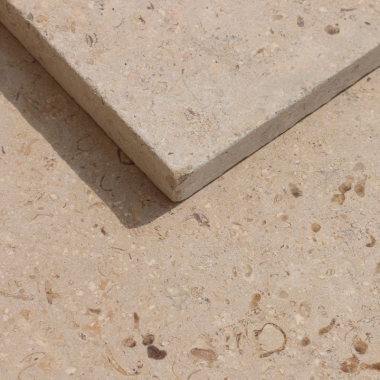
Both materials are sedimentary rocks formed mainly by calcium carbonate (CaCO₃). But Travertine is formed by mineral-rich springs and flowing water. During its formation, gases become trapped within the stone, creating the characteristic holes and voids that distinguish travertine from traditional limestone. While Limestone is formed from the accumulation of marine shells and sediments on ancient sea floors.
Appearance: Which Stone Creates the Desired Design Effect?
Limestone
Limestone typically offers:
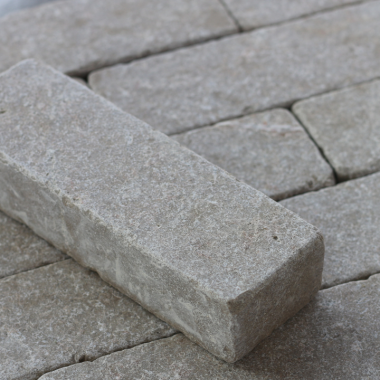
More uniform surfaces
Cleaner appearance
Consistent color distribution
Modern and architectural look
It is often chosen for:
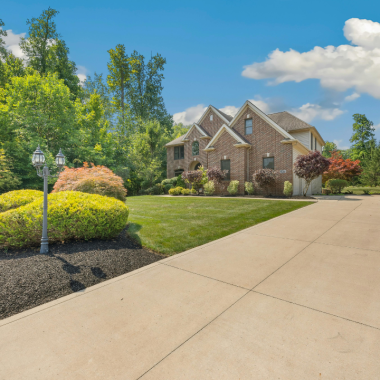
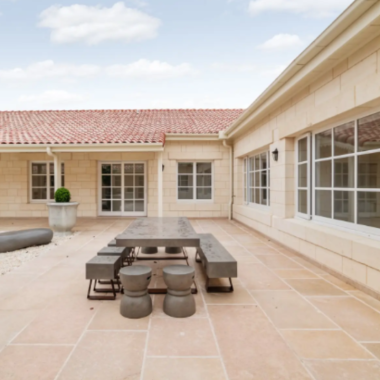
Contemporary homes
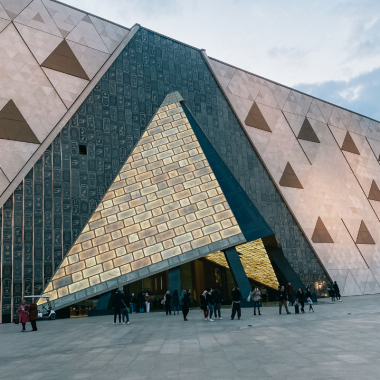
Commercial developments
Urban landscaping
Pool coping
Facades and wall cladding
Popular colors include:
Cream
Beige
Light grey
White
Soft golden tones
Travertine
Travertine offers:
Natural movement and variation
Distinctive pores and cavities
Layered textures
Warm organic appearance
It is commonly specified for:
Luxury resorts
Mediterranean architecture
Villas
Outdoor entertainment areas
High-end landscape projects
Popular colors include:
Walnut brown
Ivory
Beige
Silver
Gold
Surface Texture & Character
One of the biggest differences is visual texture.
Limestone
Limestone generally creates:
Smooth visual flow
Minimal patterning
Refined architectural appearance
Designers often use limestone when they want the stone to support the architecture rather than dominate it.
Travertine
Travertine creates:
Strong natural character
Greater visual movement
Rich texture
Rustic or luxurious appearance
The stone becomes a design feature rather than simply a surface material.
Which Performs Better Outdoors?
Both materials perform well outdoors when sourced correctly and processed to appropriate standards.
Applications for both include:
Paving
Pool coping
Steppers
Wall cladding
Landscape elements
However, project goals often determine the preferred choice.
Choose limestone when:
Consistency is important
Modern design is desired
Clean lines are preferred
Choose travertine when:
Natural movement is desired
Mediterranean styling is required
Warm luxury is the design objective
What About Maintenance?
Both stones require:
Proper installation
Suitable sealers
Periodic maintenance
Travertine may require additional attention if its natural voids remain unfilled.
Limestone generally provides a more uniform maintenance experience due to its consistent surface structure.
Which Stone Is Better for Stockists and Distributors?
The answer depends on the target market.
Limestone Often Appeals To:
Builders
Landscape contractors
Commercial projects
Pool builders
Architects seeking consistency
Travertine Often Appeals To:
Premium residential projects
Resort developments
Luxury landscape designers
Mediterranean-style construction
Many successful stone distributors stock both materials to serve different customer segments.
Final Thoughts
Travertine and limestone are both exceptional natural stones, but they serve different design objectives. If your project calls for clean lines, consistency, and architectural elegance, limestone is often the preferred choice. If you’re looking for warmth, texture, and a more organic visual impact, travertine may be the better fit. The most successful projects begin with understanding not just the stone itself, but the design vision it is intended to support.