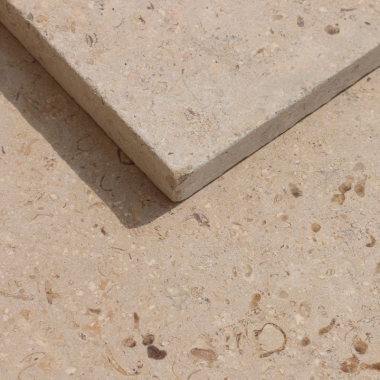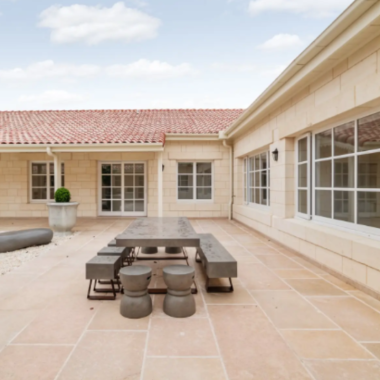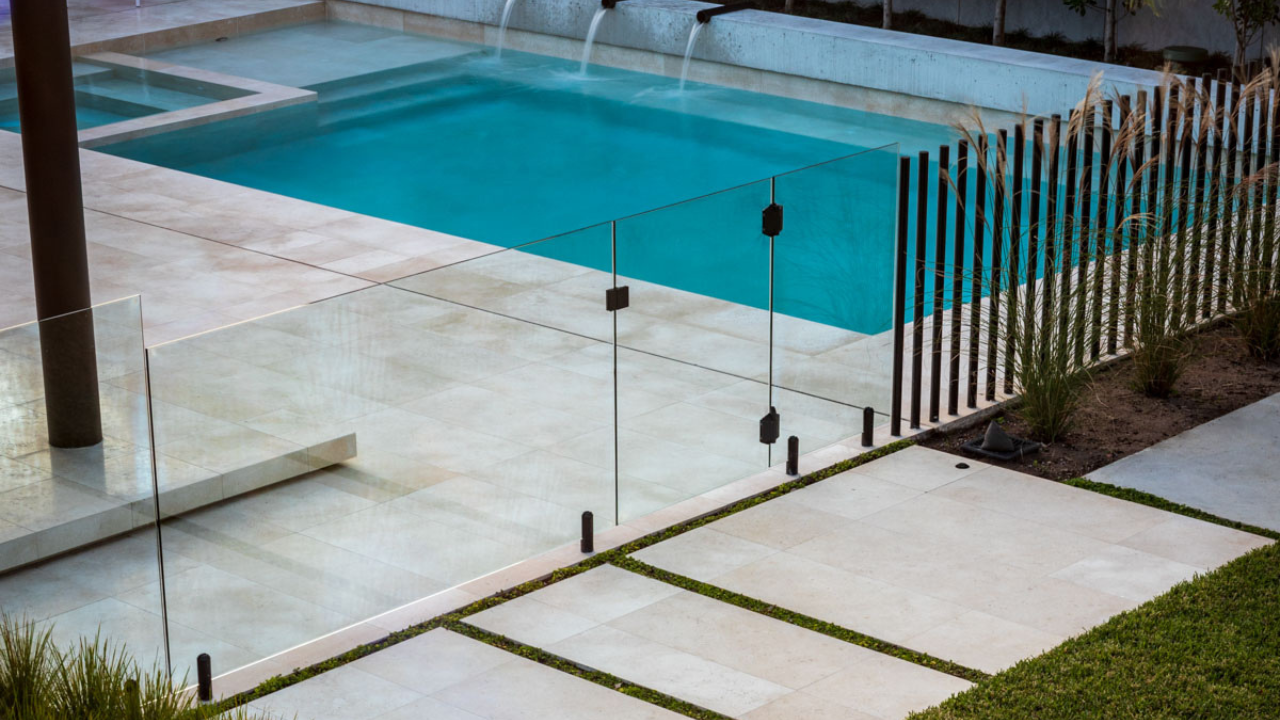
For stone distributors and building material suppliers, stocking the right limestone products is not just only about aesthetics — it’s about turnover, storage efficiency, and meeting consistent market demand. Choosing the wrong sizes or finishes can result in slow-moving stock, while the right combination can significantly improve cash flow and customer satisfaction.
This guide breaks down which limestone sizes and finishes typically move fastest, based on global export demand and practical use across outdoor and architectural applications.

Why Stocking Strategy Matters in Limestone Distribution
Unlike made-to-order stone, stocked limestone products are expected to be:
- Immediately available
- Versatile across multiple applications
- Easy to sell to contractors, landscapers, and designers
Fast-moving stock usually shares three characteristics:
- Standardized sizes
- Neutral, adaptable finishes
- Proven performance in outdoor use
Understanding these factors helps stockists reduce dead inventory and respond quickly to project-based demand.
Fast-Moving Limestone Sizes for Stockists
- Standard Paver Sizes (Top Performers)
The most commonly stocked and requested limestone paver sizes globally include:
- 600 × 400 mm
- 600 × 300 mm
- 400 × 400 mm
- 800 × 400 mm
These formats are popular because they:
- Work well in modular layouts
- Are easy to install
- Fit both residential and commercial outdoor projects
For thickness, 30 mm (3 cm) is the most widely stocked for outdoor paving due to its balance between durability and handling.
- Small Formats & Bricks (High Turnover, Low Risk)
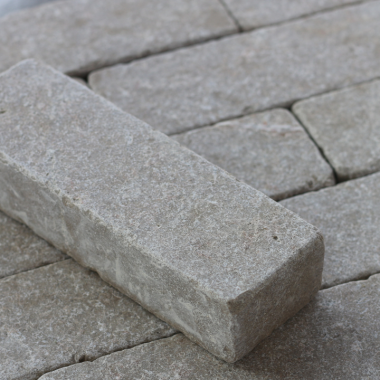
Limestone bricks are among the fastest-moving items in many markets, especially for:
- Pathways
- Wall cladding
- Landscape detailing
Common fast-selling brick sizes include:
- 5 × 20 cm
- 10 × 20 cm
- 10 × 30 cm
These products are attractive to stockists because:
- They allow creative design flexibility
- They are often used in repeat orders
- Smaller sizes are easier to mix across projects
- Pool Coping Sizes (Consistent Seasonal Demand)
For stockists serving outdoor and leisure projects, pool coping is a reliable category. The fastest-moving profiles are:
- Bullnose
- Pencil edge
- Drop-down edge
Standard widths with consistent thickness are preferred, as they can be used across multiple pool designs without customization.

Fast-Moving Limestone Finishes
- Sandblasted Finish (Top Stock Choice)
Sandblasted limestone is one of the safest finishes to stock because it:
- Offers good slip resistance
- Performs well outdoors
- Has a clean, uniform appearance
It is widely used for paving, pool coping, and landscaping, making it a strong all-round option for inventory.
- Honed Finish (Interior & Architectural Demand)
Honed limestone moves quickly in markets where:
- Wall cladding is popular
- Minimalist or contemporary designs dominate
Its smooth, matte surface makes it suitable for:
- Feature walls
- Covered outdoor areas
- Interior architectural applications
- Brushed & Light Textured Finishes
Brushed limestone has gained popularity due to its:
- Soft texture
- Natural, slightly aged appearance
It is often stocked in small quantities alongside sandblasted products to offer designers more choice without increasing inventory risk.
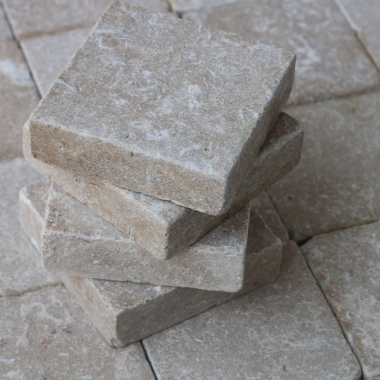
- Tumbled Finish (Design-Driven Markets)
Tumbled limestone appeals to:
- Rustic and Mediterranean-style projects
- Landscape-focused designs
While it may not move as fast as sandblasted finishes, it performs well in:
- Brick formats
- Crazy paving
- Accent applications
Finishes That Are Better Made to Order
Some finishes are best offered as custom or project-based orders rather than stocked items, such as:
- Heavy bush-hammered finishes
- Ribbed or grooved textures
- Highly customized edge profiles
These are usually specified by architects and should be produced against confirmed demand.
Best Practice: Balanced Limestone Stock Strategy
A smart stocking strategy usually includes:
- Core products: standard paver sizes in sandblasted finish
- Support products: bricks and small formats in 1–2 finishes
- Add-ons: limited quantities of brushed or tumbled options
This approach allows stockists to:
- Serve most enquiries immediately
- Offer design flexibility
- Keep inventory lean and efficient
Final Thoughts
Stocking limestone products successfully is about predictability and adaptability. Standard sizes and proven finishes consistently outperform niche formats, especially for distributors serving outdoor and landscape markets.
By focusing on fast-moving limestone sizes and finishes, stockists can improve turnover, reduce storage pressure, and better support contractors and designers with ready-to-use materials.